


Neurodivergent Counselling in Melbourne
ADHD-Affirming, Neurodiversity-Aware Therapy for Real Life
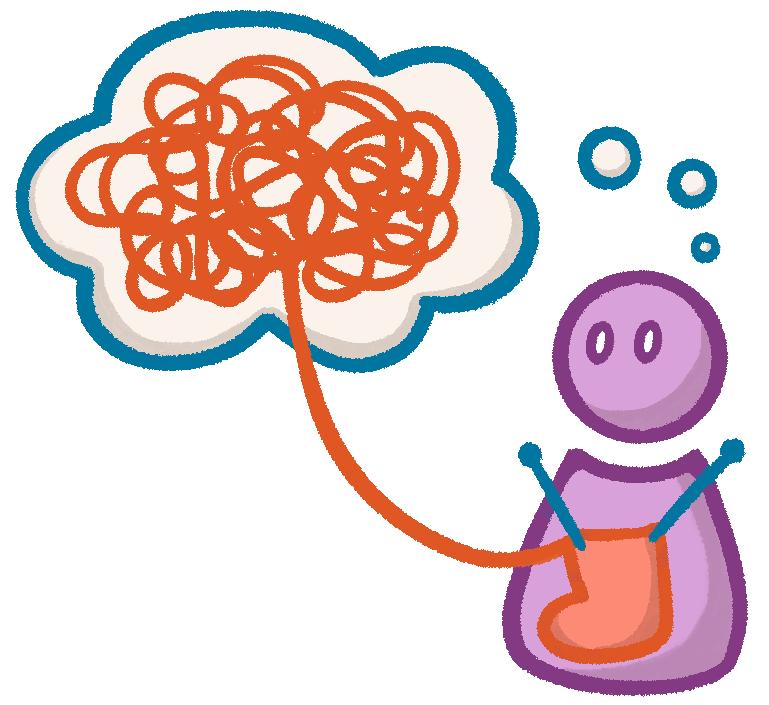
Tired, overwhelmed, or feel like everyone but you got a "how to" guide to life?
Right now, running away and becoming a forest creature might feel like the only way to escape your exhaustion.
Whether you’re newly diagnosed and trying to reframe your entire life, or have known for a long time but the tools you use no longer work, you’re searching for more than just “try harder.”

Neurodivergent counselling isn’t about “fixing” how your brain works or making you more “normal”. It’s about exploring what you want and need for your happiness, and what needs to change to help you reach it.
You might have noticed that the strategies that work for others haven’t been effective for you, or that you’ve been saying “I’ll sort it out once things quiet down” for months, yet it never actually gets any quieter. Maybe your chores, tasks, and emails are becoming overwhelming, or you’re thinking about quitting your job because you just can’t cope.
There used to be some breathing room between the bad days, but now…
Worry invades every spare thought
You’re not sleeping, or sleeping all the time
You got all the tools, alarms, and plans, but nothing helps
Those “gifted child to burnout pipeline” memes aren’t so funny anymore
If that sounds familiar, you’re not alone. Neurodivergent counselling in Melbourne enables you to understand why things feel this way and gives you strategies that work with your brain — not against it.

Try out support that’s designed for you
Accessible Support, Wherever You Are
You can meet from your home, car, or even a quiet park.
No commute, no parking stress, no Melbourne traffic — just therapy that fits your schedule.
Online counselling also helps people in rural or remote areas access consistent mental health support.

ADHD- and Autism-Affirming Counselling in Melbourne
At Unmask Therapy in Melbourne, I provide in-person and online counselling for adults who identify as neurodivergent or suspect they might be.
Our sessions are flexible, collaborative, and grounded in acceptance. That might mean slowing down, taking breaks, or communicating in ways that feel safe for you. There’s no pressure to “fit in” — just space to explore how your brain operates and what helps it thrive.
Whether you’re dealing with ADHD burnout, sensory overload, or feeling like you’re “too much” or “not enough,” therapy can help you build clarity and self-acceptance.
Why Choose Unmask Therapy
Unmask Therapy was founded to offer neurodiversity-affirming counselling in Melbourne that feels human, warm, and real.
I have 9 years of experience supporting neurodivergent adults and understands the science and the lived experience of what it’s like to exist in a world that isn’t built for your brain.
My work combines:
Lived experience and professional training
Gentle humour and practical tools
Combine lived experience with community knowledge and professional care, while valuing self-awareness, creativity, and empathy. Whether you’re in Melbourne or joining online, sessions are safe, flexible, and collaborative.
Common Topics
Figuring out how your brain works and how to achieve your goals while also trying to juggle your responsibilities can feel overwhelming – it felt overwhelming just writing it. So getting support can take some of the pressure off of you to do it all by yourself, while still being in control of the process. And you could use a bit less pressure and a bit more control.
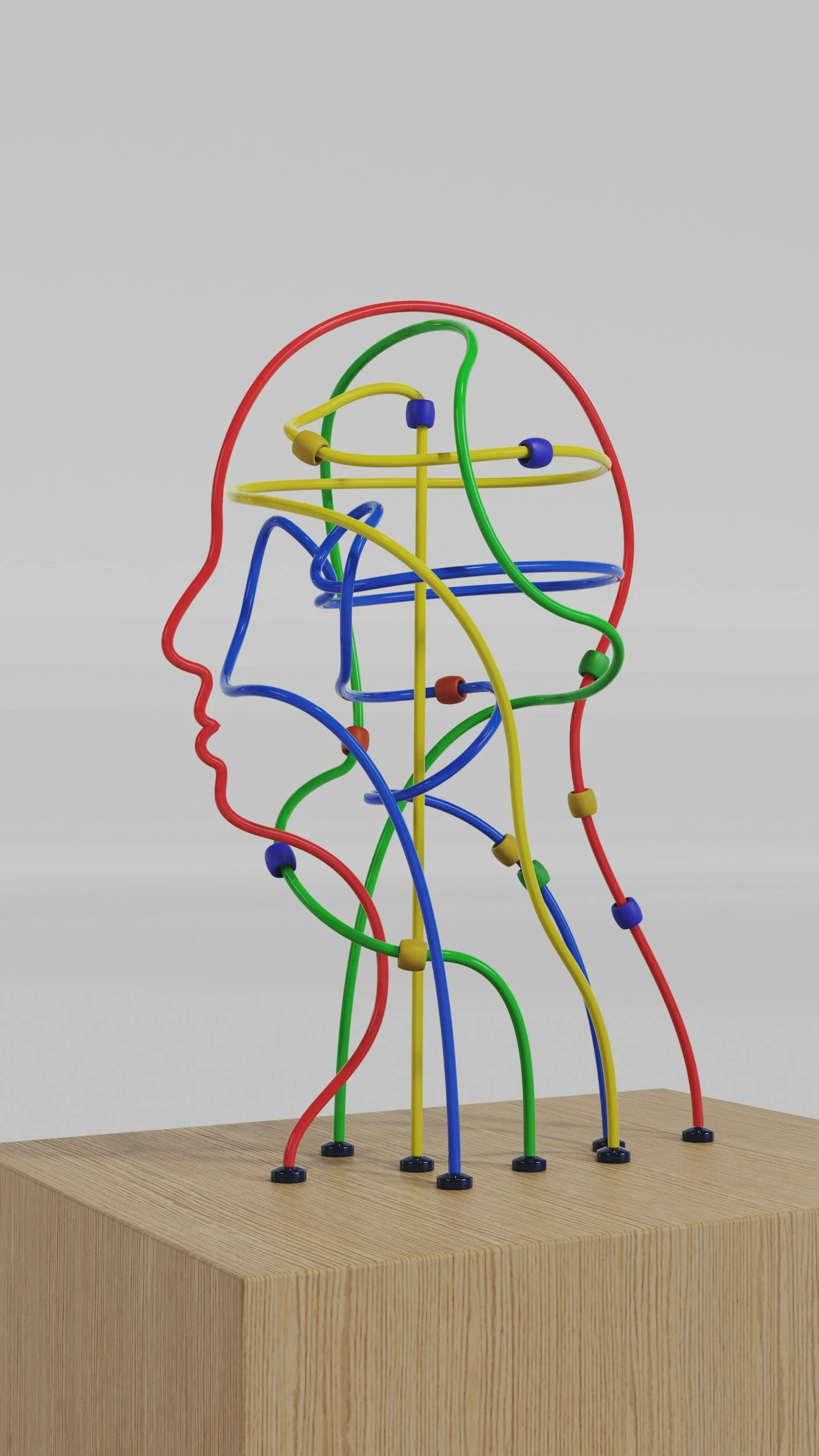
How Neurodivergent Brains work
Neurodivergence looks different for each of us because our brains are unique, and so is our history. That’s why counselling is a personalised process of figuring out what things are like for you, what’s working, and what isn’t, then making new choices.
Together we can:
Explain why certain tasks feel impossible to start, and ways to get around them
Understand “executive dysfunction” – what it means, what it looks like for you, and what to do about it
Notice when your diagnosis has been a neutral, or positive part of your life – problem solving, creativity, and “big picture” thinking are common!
Use support, self-knowledge, and creativity to work with your brain, instead of against it, and regain the energy to live the life you want
It’s not about “fixing” yourself — it’s about creating a life that fits you.

Understanding Executive Dysfunction & Burnout
If you’ve ever said, “I know what to do, I just can’t do it,” you’ve met executive dysfunction. It’s not laziness or lack of effort — it’s how your brain’s energy and decision-making systems work differently.
Counselling helps you recognise patterns behind these struggles and build practical strategies.
Breaking down overwhelm into manageable steps
Using structure and rest instead of constant urgency
Learning pacing to prevent burnout before it hits
Over time, you’ll learn to manage life with more clarity, not through force, but through understanding.

How Growing Up Different Can Impact How You See Yourself
Growing up neurodivergent can mean being held to different standards and expected to think and work in ways that don’t come naturally to us. If we can’t do this, we can start to feel a lot of anger, sadness, and shame towards ourselves, and carry those feelings throughout our lives.
This can take the form of:
Believing you’ll never succeed because things have always been so hard
Intense perfectionism that can turn into a paralysing fear of trying new things or getting anything wrong
“Late Diagnosis Grief” that comes from reflecting on the life we could have had if we had the right kind of support much earlier
Intense masking leading to not knowing who is underneath the mask, because of how hard you always tried to be the “right” kind of person.
You’re not bad, or wrong, or lazy; things really were harder. They still are, but believing that it’s not just a “you” problem can help to make them easier.

How Counselling Helps You Thrive
You don’t have to keep running on empty. With the right support, you can build a calmer, more balanced way of living.
Therapy can help you:
Understand your neurodivergent traits without shame
Create sustainable routines that match your energy
Improve emotional regulation and self-compassion
Build stronger relationships and communication
Manage burnout and perfectionism in a realistic way
It’s not about becoming “neurotypical.” It’s about finding ease, confidence, and connection — exactly as you are
Questions?
FAQs
-
Historically, both Autism and ADHD were studied and diagnosed based on male-presenting traits, often overlooking how it manifests in women. Traits like inattentiveness, masking, and perfectionism—common in women—were frequently misunderstood or misdiagnosed. Increased awareness and advocacy have improved recognition and diagnosis for women.
-
Not at all! People with ADHD often experience hyperfocus on tasks they find interesting or engaging. The challenge is regulating attention, not an absence of focus altogether.
-
Executive dysfunction refers to difficulties with planning, organizing, starting, or completing tasks—common struggles for people with ADHD. It’s not about laziness; it’s about how the brain processes and prioritizes information.
-
Research suggests ADHD and Autism are often underdiagnosed, especially in women, nonbinary individuals, and people from marginalized communities. Misunderstandings and stereotypes contribute to this issue.
-
A diagnosis can provide clarity, but even without one, exploring strategies and seeking professional support can help you better understand your needs and challenges.
A diganosis will tell you if you fit the criteria for a condition, but it won’t tell you about your specific experience. If you want more personalised information, then an assessment, or talking with a counsellor or coach, will be more useful.